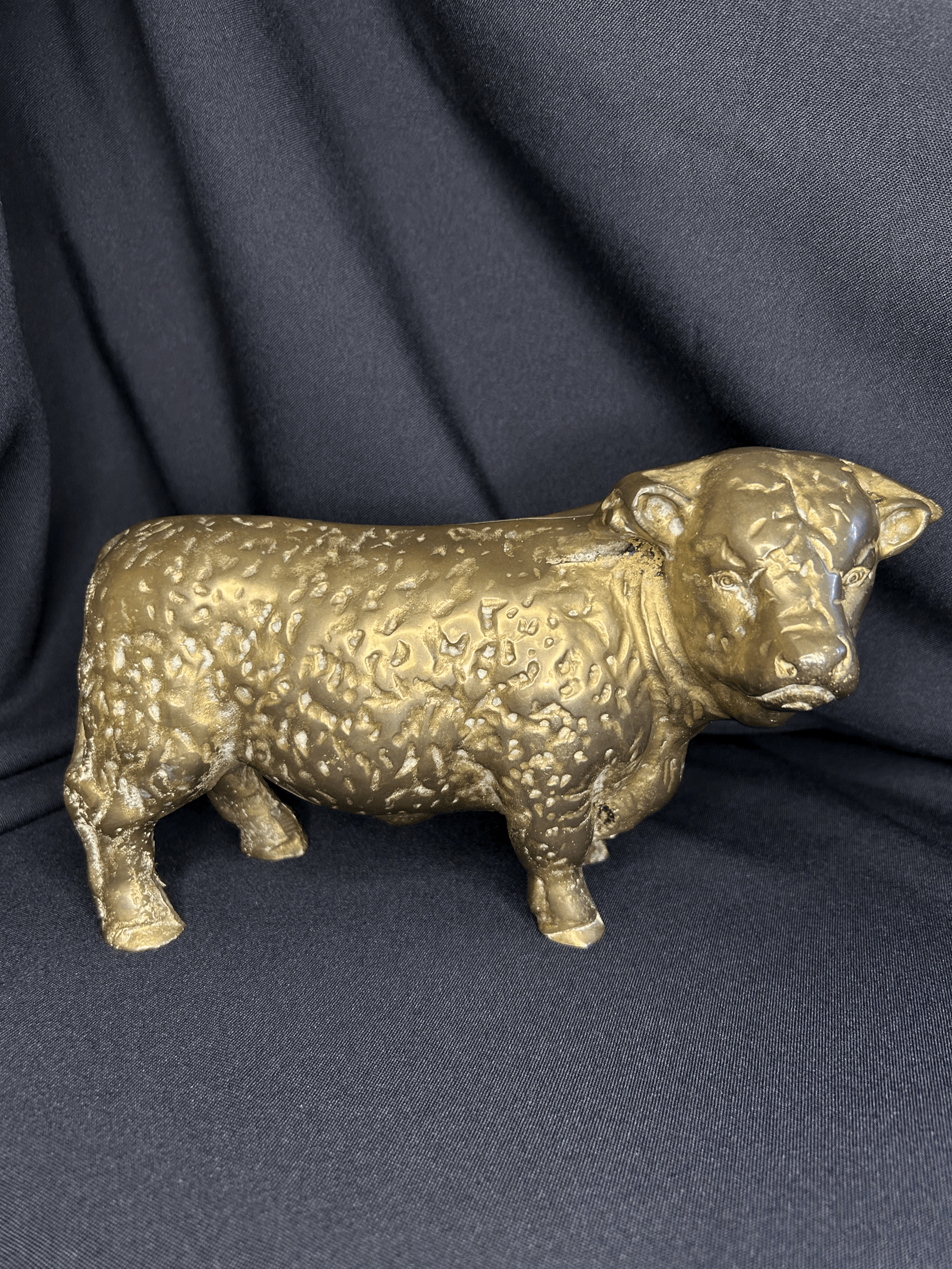
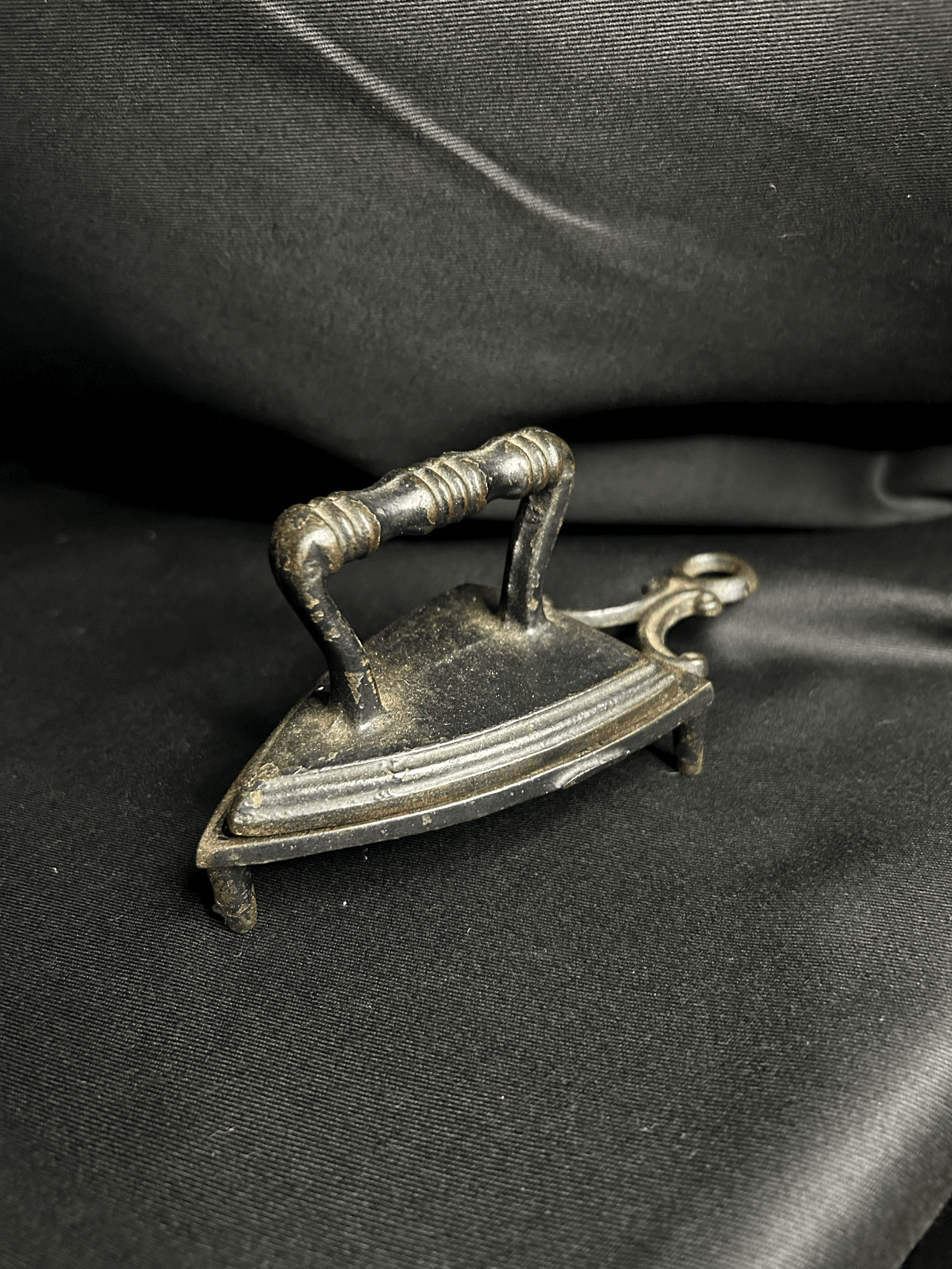
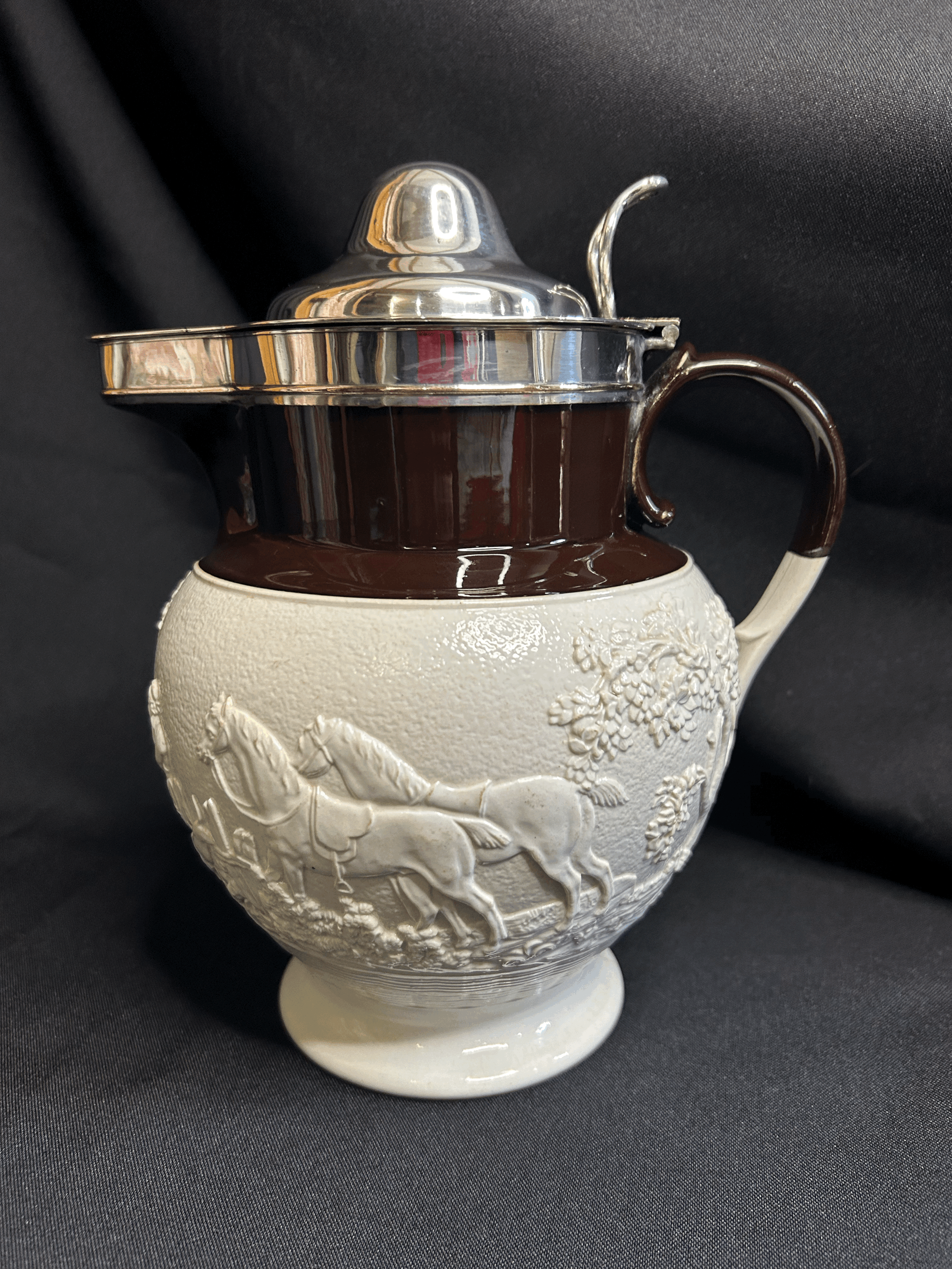
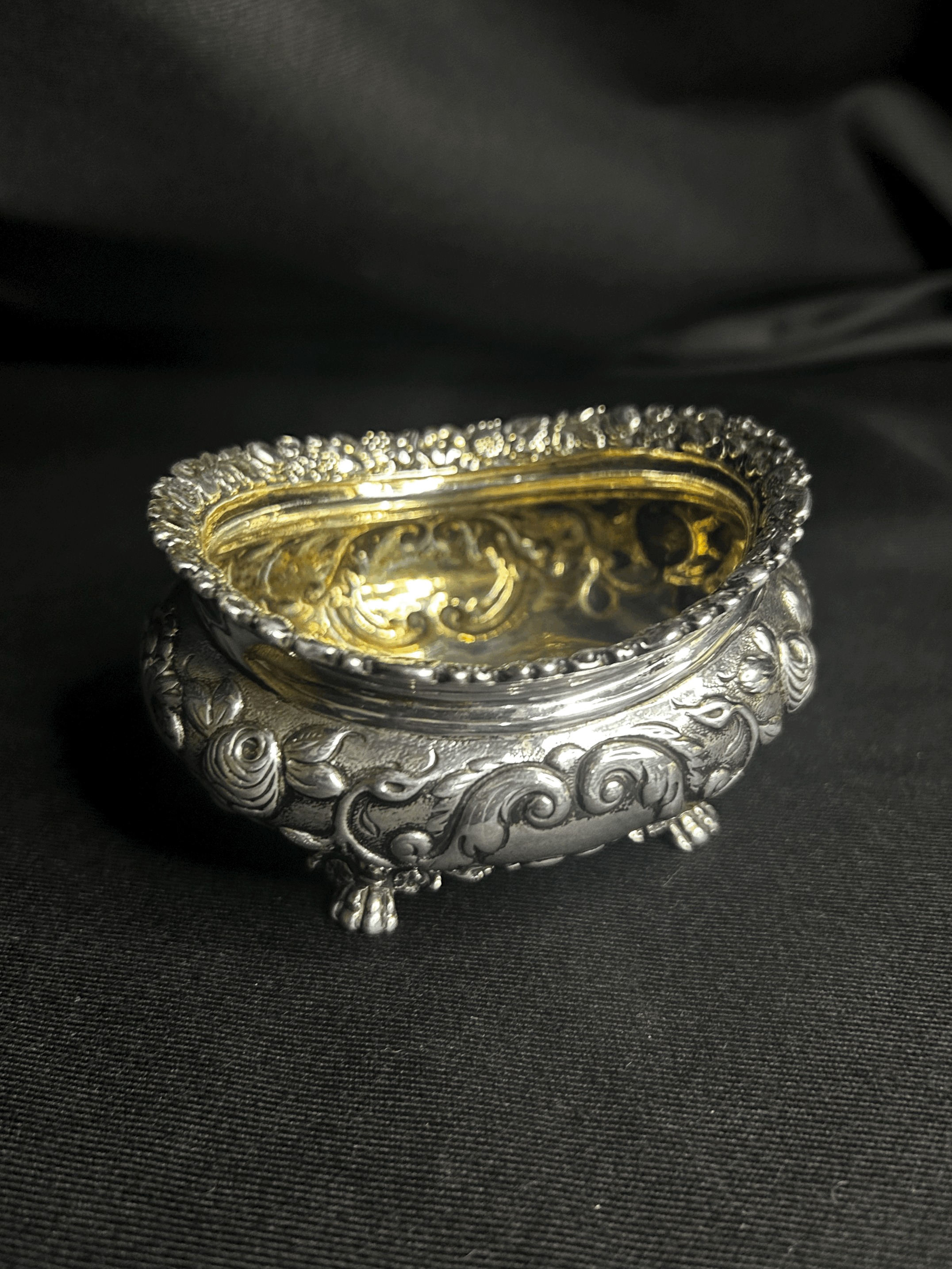
 Image 1 of 4
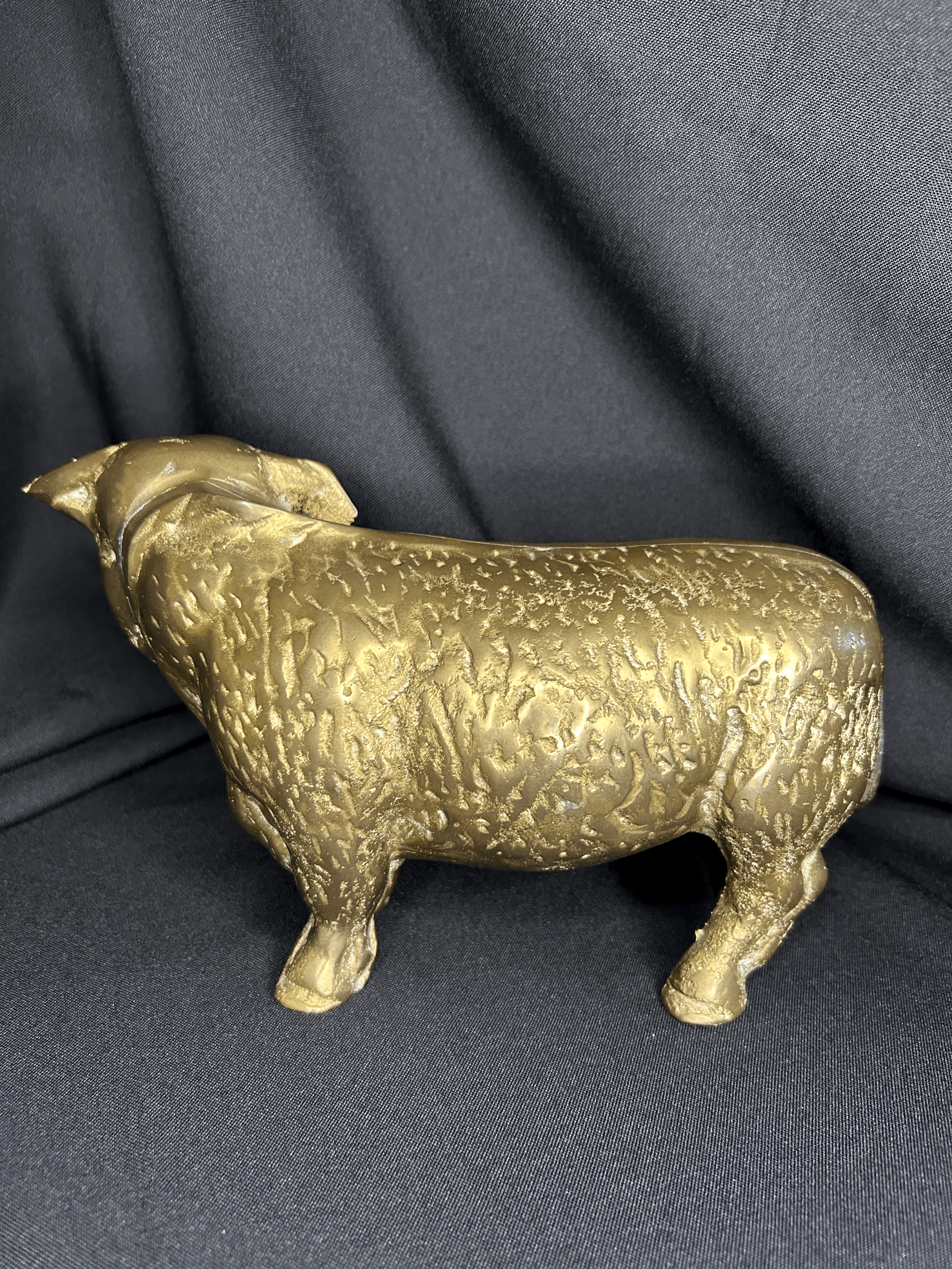
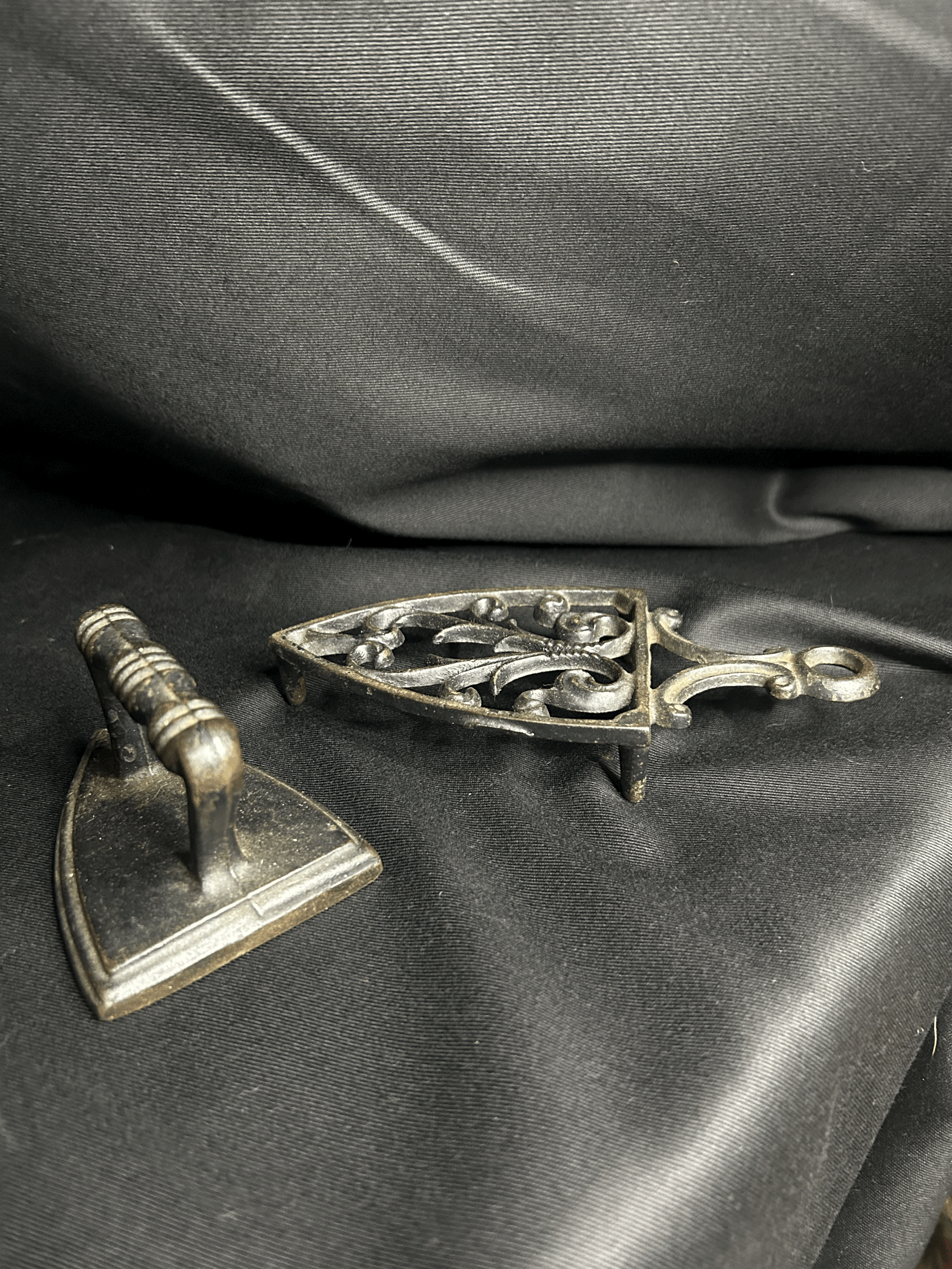
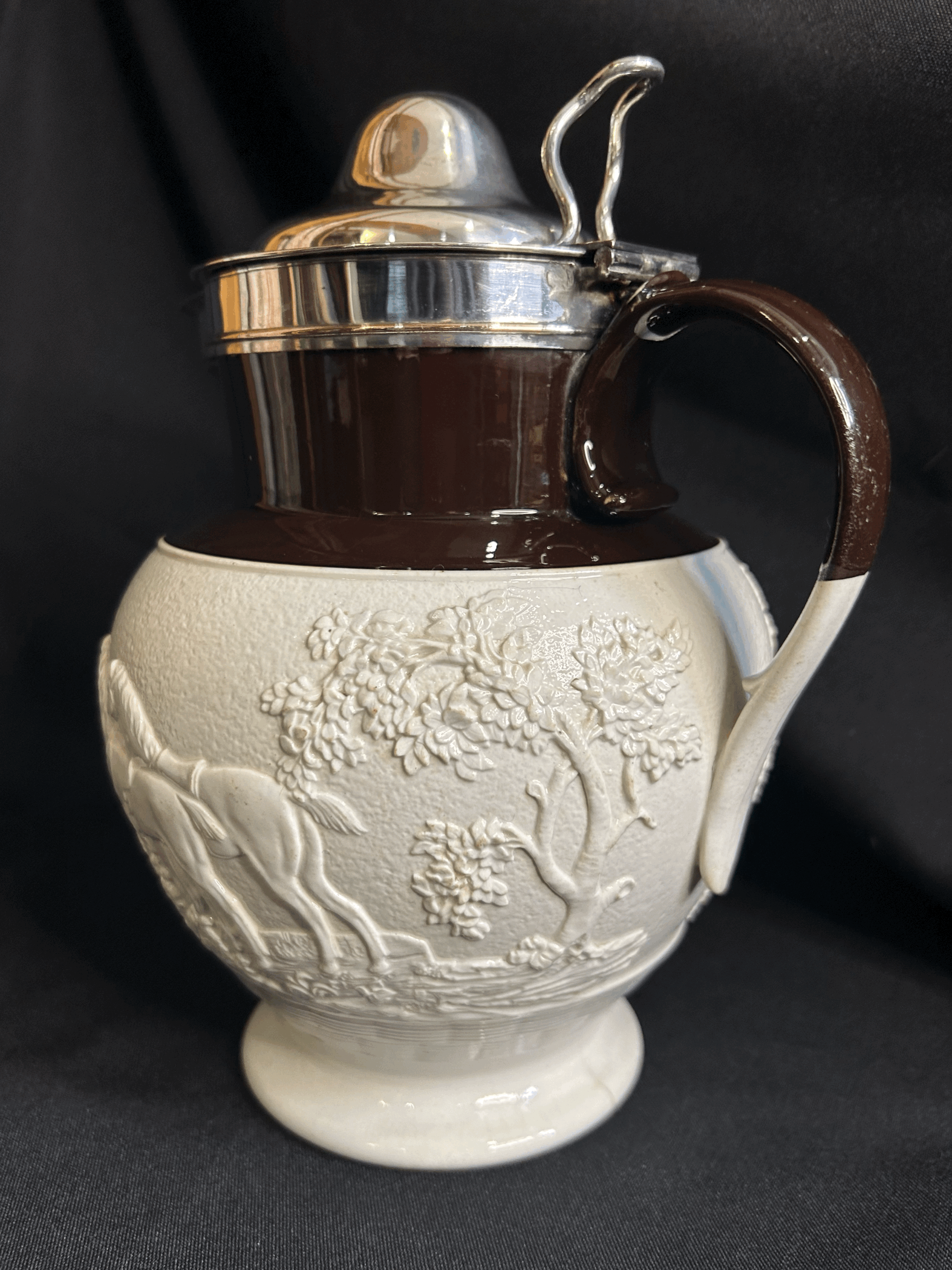
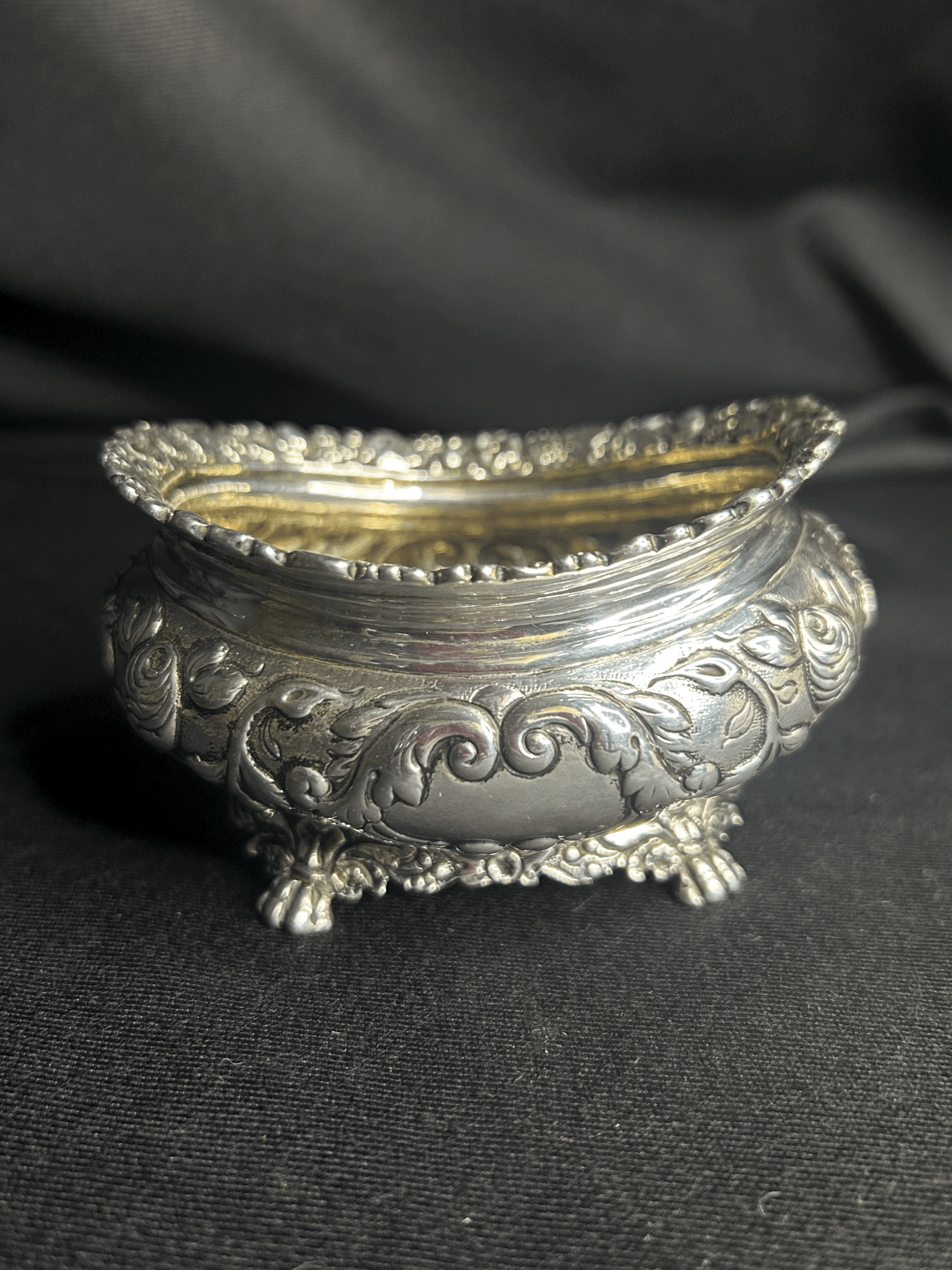 Image 2 of 4
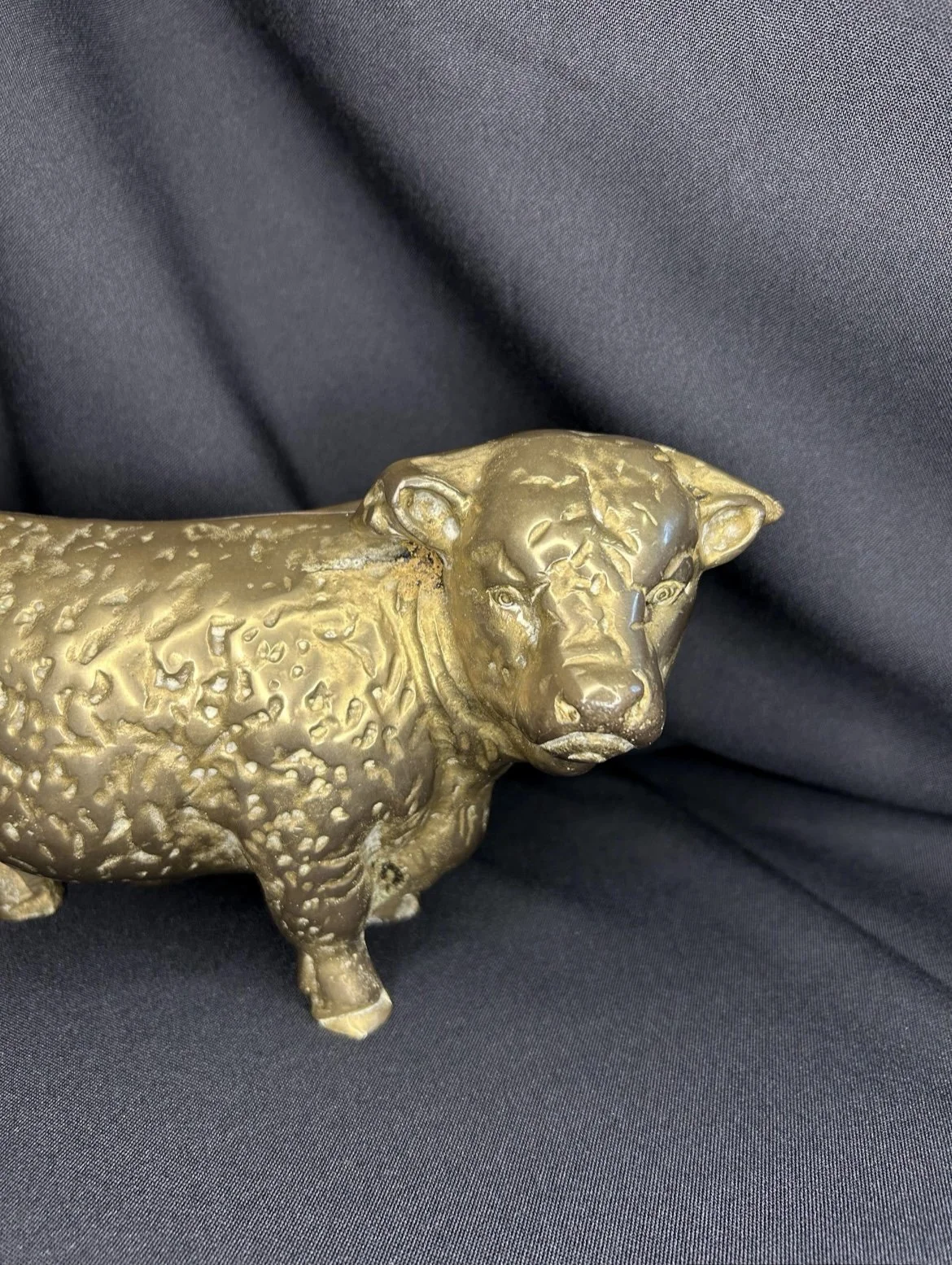
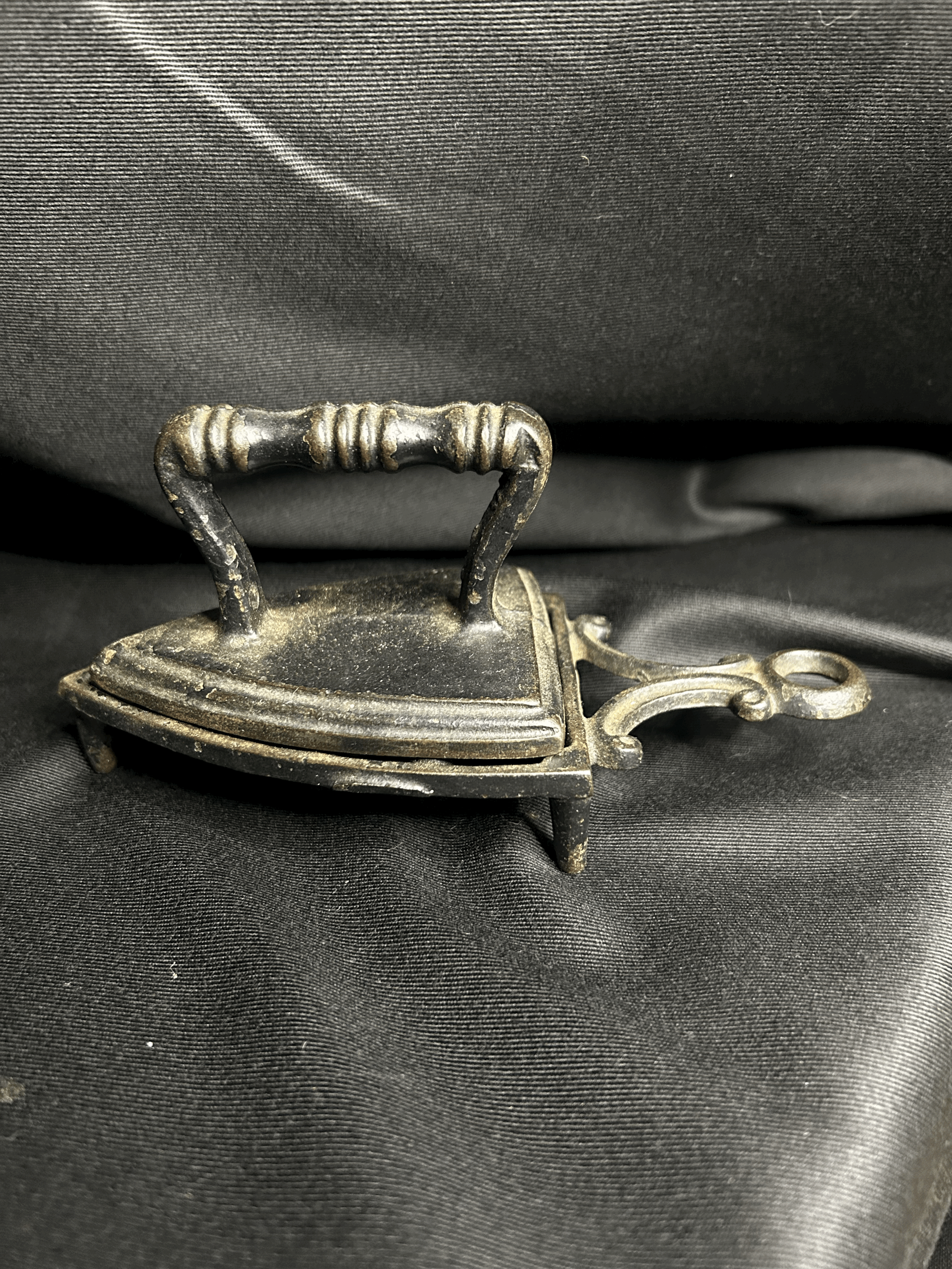
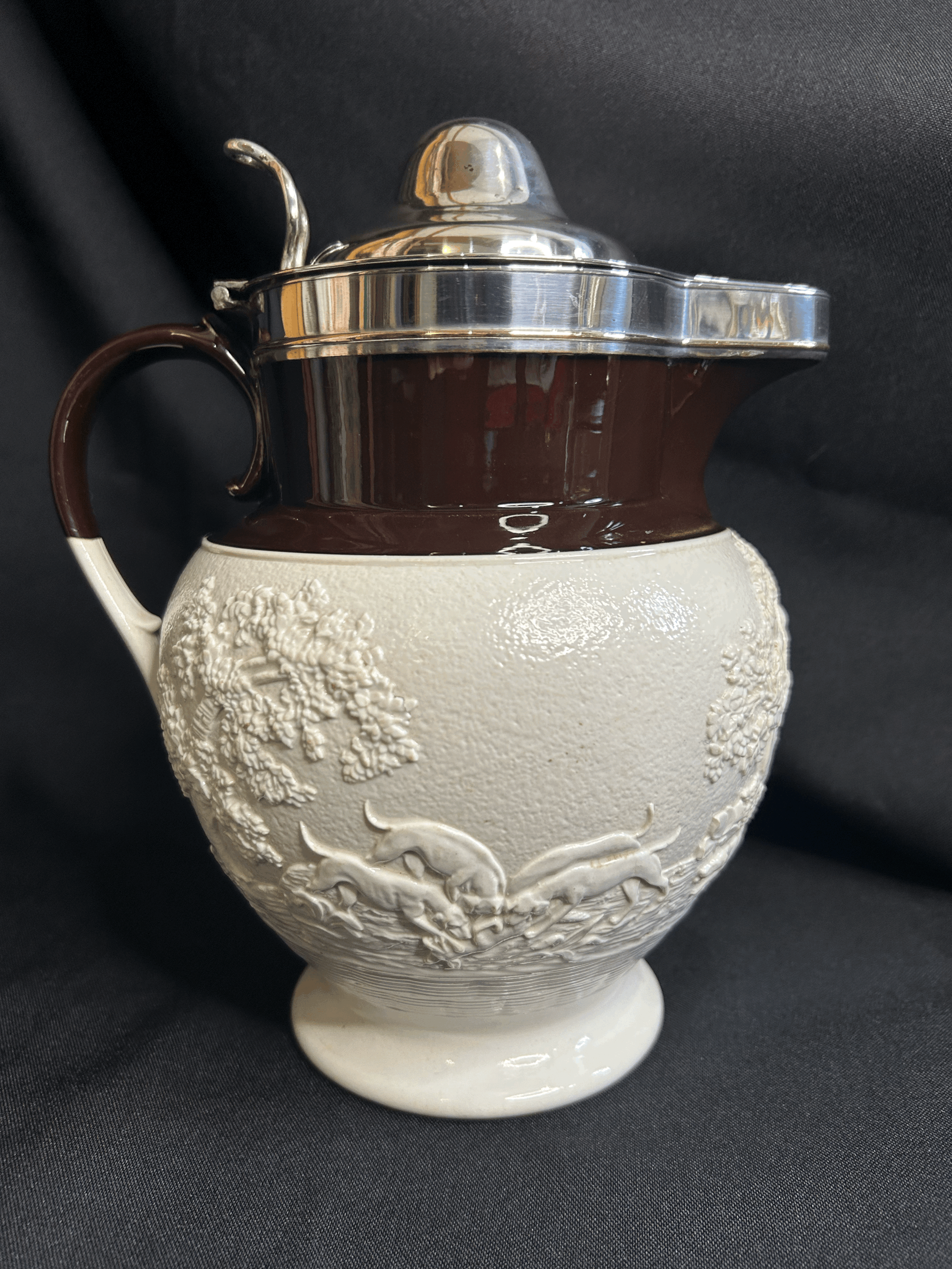
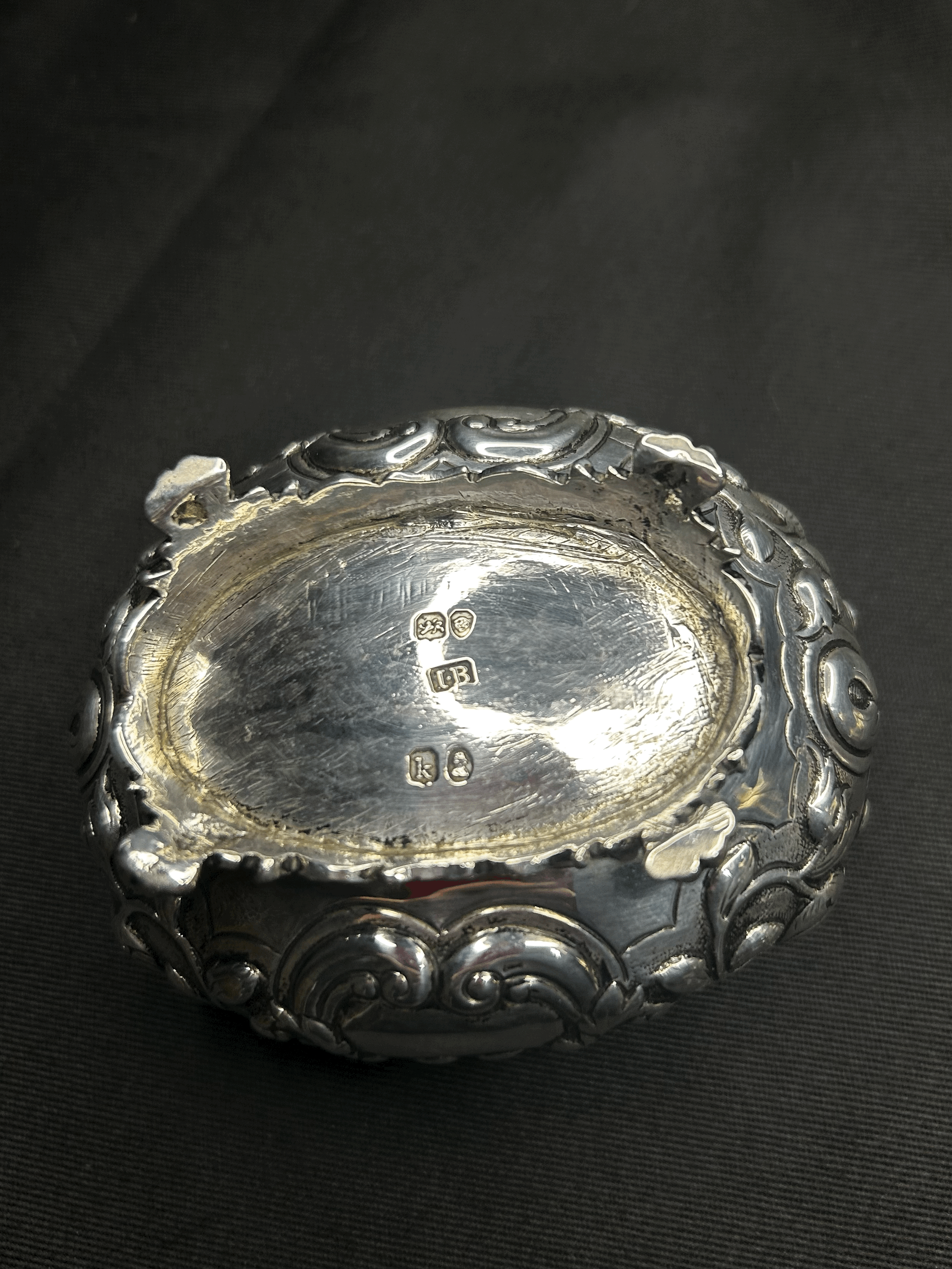 Image 3 of 4
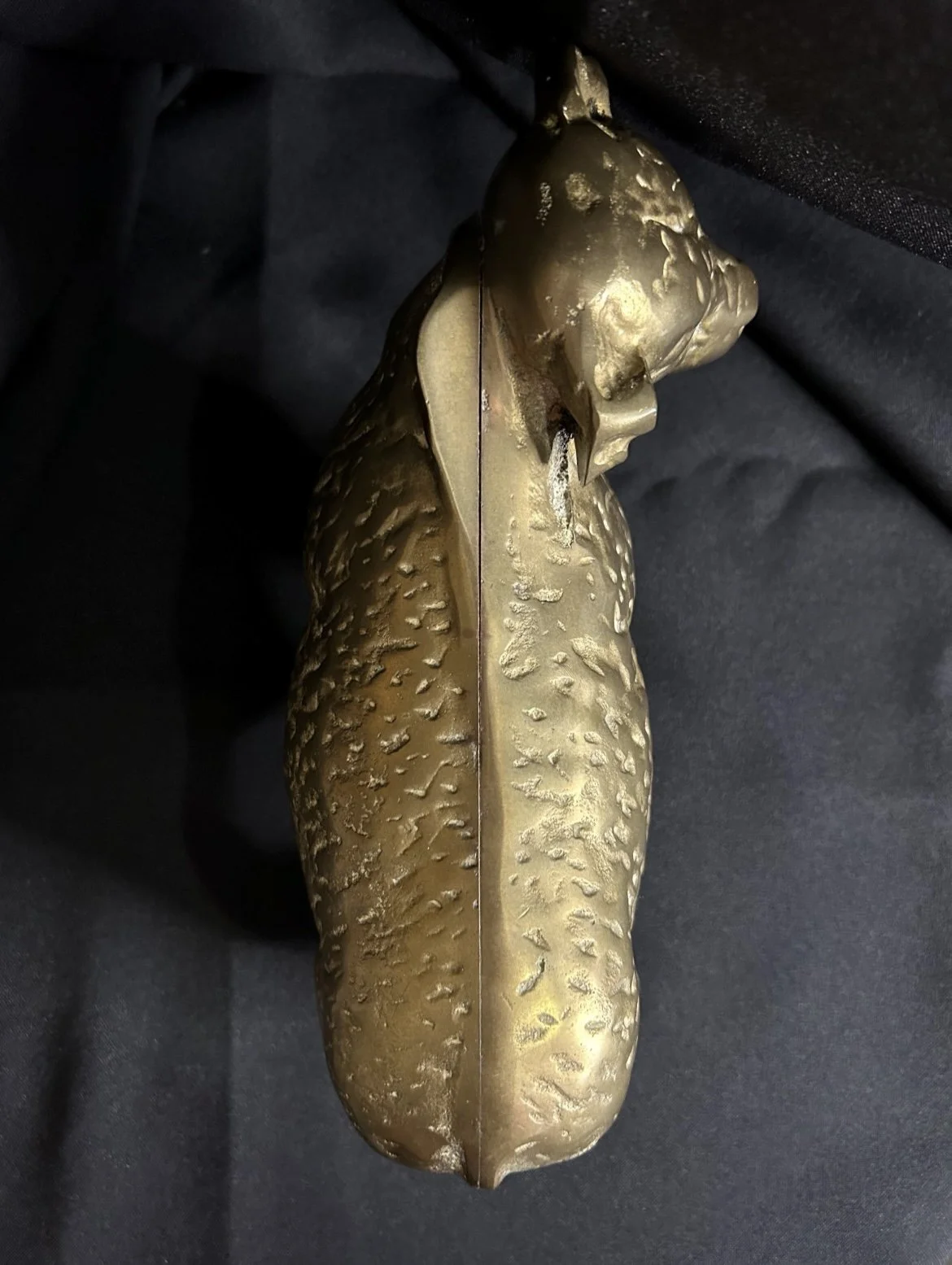
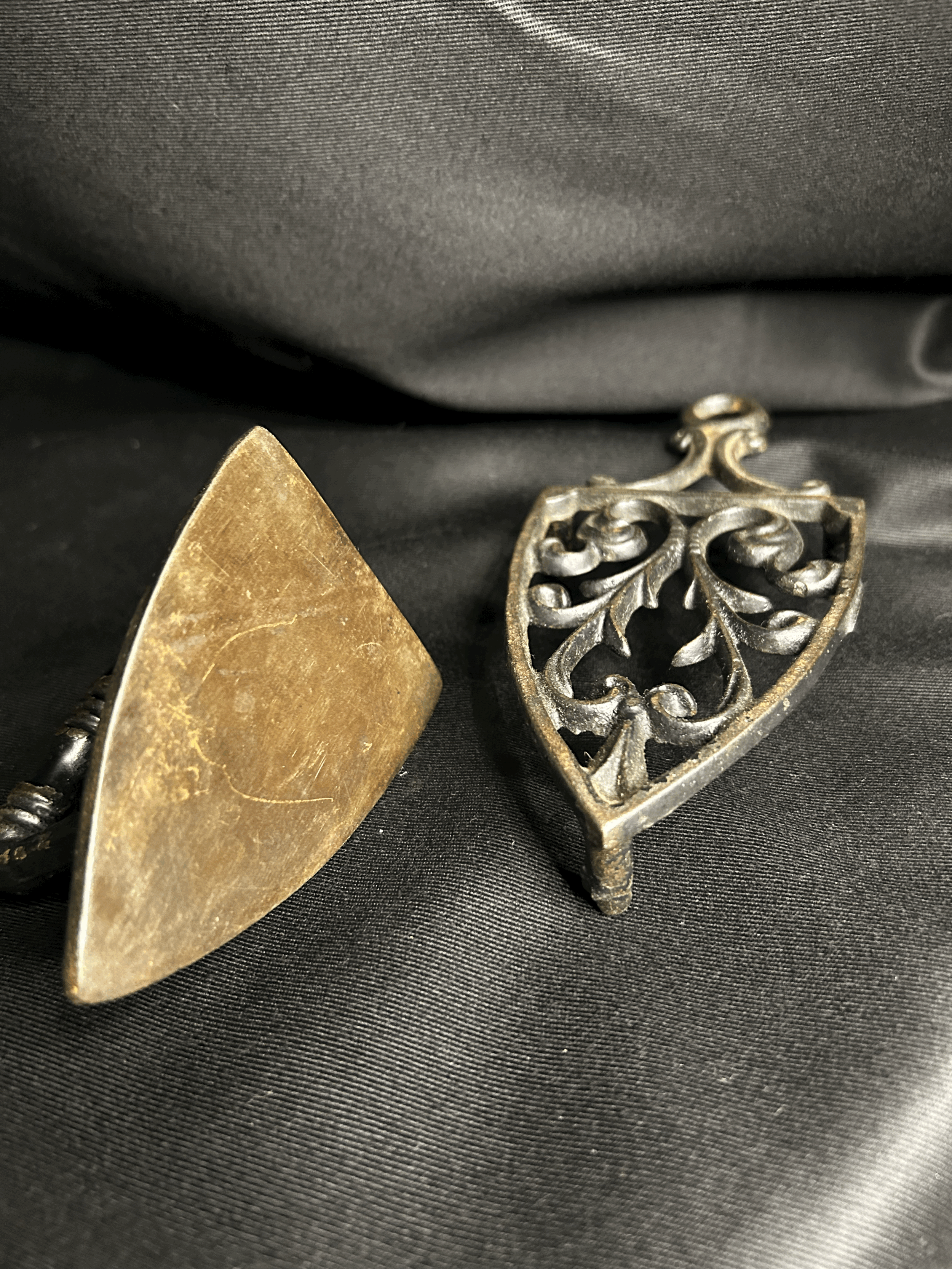
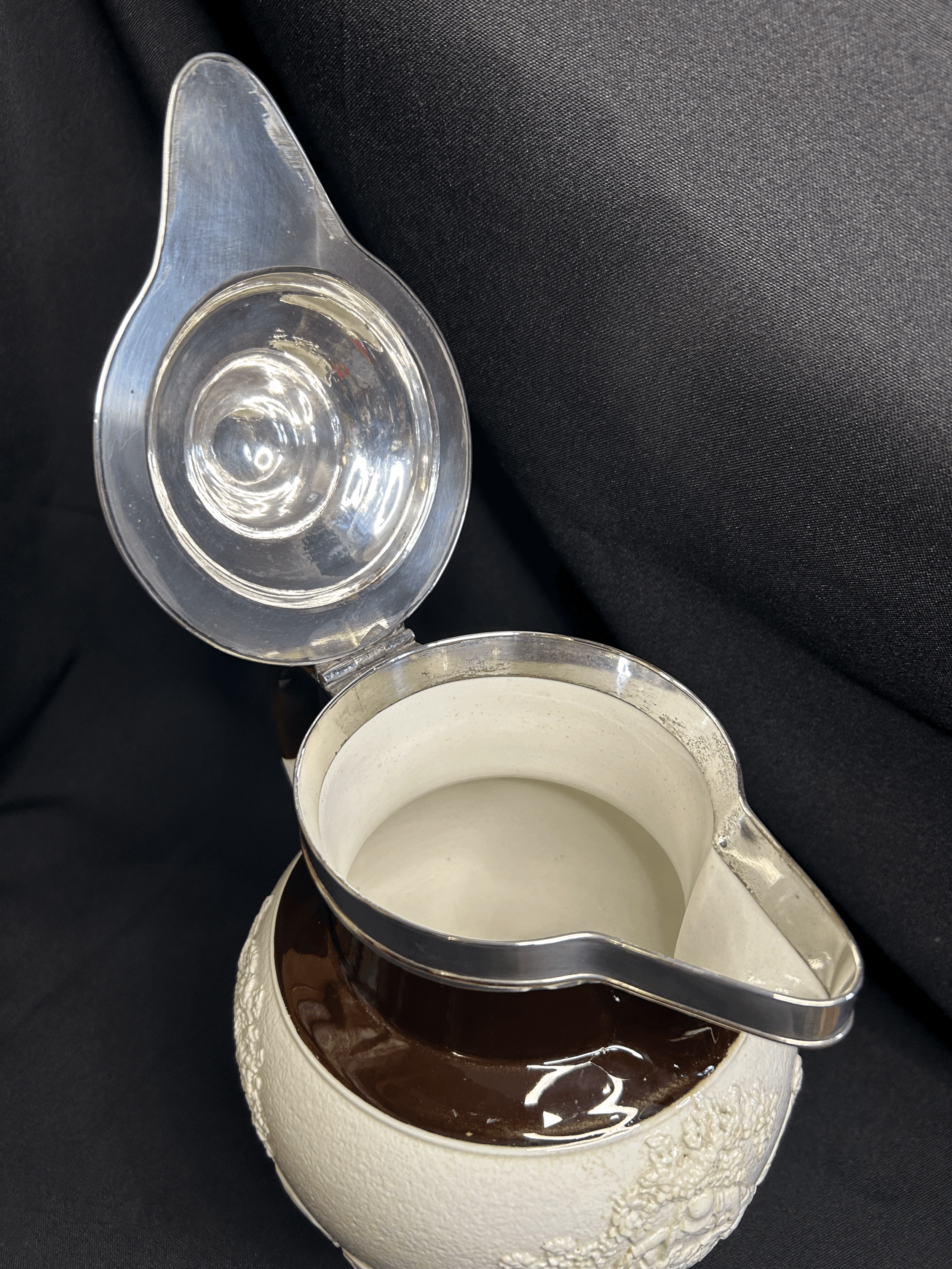
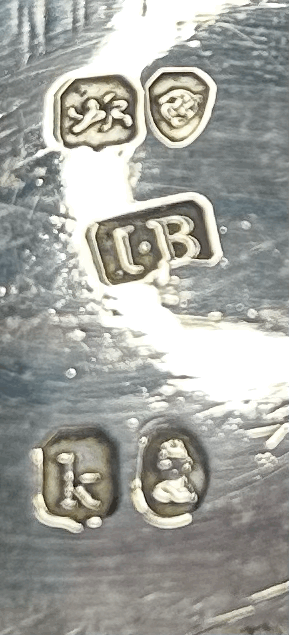 Image 4 of 4
Salt Cellar, 1825/26, 128.4gms/4.53oz
John Bridge (Baptised 1755 - 1834)
John Bridge was the co-founder in 1787 (with Philip Rundell) of Rundell, Bridge
and Rundell, goldsmith, jewellers and royal retailers to the Prince Regent. Their
London shop on Ludgate Hill in London had a huge stock of new and old silver,
watches, jewellery and "objects of virtue". Employing some of the best and most
feted craftsmen of their day, by 1820 their enterprise spanned the globe with
agencies in Paris, Vienna, St. Petersburg, Constantinople, Baghdad, Calcutta,
Bombay and numerous cities in South America. Their fantastic success was
probably due to a mixture of factors, not least the quality and beauty of their
wares, as well as the ruthlessness of Rundell and Bridge’s great commercial
acumen. In 1797, they were appointed as one of the goldsmiths and jewellers to
the King and went on to be the Principal Royal Goldsmiths and Jewellers in 1804.
They held this Royal Warrant until 1843. They were commissioned to provide the
diplomatic gifts for the Congress of Vienna (1814-15) and made 22 snuff boxes
worth 1000 guineas each. Their roster of famous artists included John Flaxman
and Thomas Stothard, well known designers and modellers of silverware. From
1802, their workshops were managed by a succession of notable silversmiths
such as Benjamin Smith and Digby Scott the designer. In 1807, Paul Storr, the
pre-eminent silversmith of the era took charge, leaving in 1819 to found his own
workshops. As Royal Goldsmiths they served four monarchs: George III, George
IV, William IV and Victoria. They made the Imperial State Crown for Victoria’s
coronation in 1838 which had 3,093 gems encrusted in it. They also made the “Rundell Tiara” in 1836 for Princess Alexandra. John Bridge died in 1834 but his nephews continued the family involvement in the firm.
11cm x 5 cm
Salt Cellar, 1825/26, 128.4gms/4.53oz
John Bridge (Baptised 1755 - 1834)
John Bridge was the co-founder in 1787 (with Philip Rundell) of Rundell, Bridge
and Rundell, goldsmith, jewellers and royal retailers to the Prince Regent. Their
London shop on Ludgate Hill in London had a huge stock of new and old silver,
watches, jewellery and "objects of virtue". Employing some of the best and most
feted craftsmen of their day, by 1820 their enterprise spanned the globe with
agencies in Paris, Vienna, St. Petersburg, Constantinople, Baghdad, Calcutta,
Bombay and numerous cities in South America. Their fantastic success was
probably due to a mixture of factors, not least the quality and beauty of their
wares, as well as the ruthlessness of Rundell and Bridge’s great commercial
acumen. In 1797, they were appointed as one of the goldsmiths and jewellers to
the King and went on to be the Principal Royal Goldsmiths and Jewellers in 1804.
They held this Royal Warrant until 1843. They were commissioned to provide the
diplomatic gifts for the Congress of Vienna (1814-15) and made 22 snuff boxes
worth 1000 guineas each. Their roster of famous artists included John Flaxman
and Thomas Stothard, well known designers and modellers of silverware. From
1802, their workshops were managed by a succession of notable silversmiths
such as Benjamin Smith and Digby Scott the designer. In 1807, Paul Storr, the
pre-eminent silversmith of the era took charge, leaving in 1819 to found his own
workshops. As Royal Goldsmiths they served four monarchs: George III, George
IV, William IV and Victoria. They made the Imperial State Crown for Victoria’s
coronation in 1838 which had 3,093 gems encrusted in it. They also made the “Rundell Tiara” in 1836 for Princess Alexandra. John Bridge died in 1834 but his nephews continued the family involvement in the firm.
11cm x 5 cm